انواع روفگاردن کاربردمحور
انواع روفگاردن کاربردمحور: مقایسه انواع روفگاردن Vegetated،Eco، Living، Green
-فهرست مطالب:(انواع روفگاردن کاربردمحور)
1.مقدمهای بر مفهوم روفگاردن و بام سبز.
2.دستهبندی اصلی انواع بام سبز بر اساس نوع کاربرد و پوشش.
3.بام سبز اکولوژیک (Eco Roof).
4.بام زنده (Living Roof).
5.بام سبز (Green Roof) به عنوان یک اصطلاح جامع.
6.بام گیاهی (Vegetated Roof).
7.بررسی اجزای تشکیلدهنده یک سیستم بام سبز.
8.نمونههای موفق اجرای انواع روفگاردن در جهان و ایران.
9.پروژههای بینالمللی.
10.پروژههای داخلی در ایران.
11.جدول مقایسه انواع روفگاردن کاربردمحور بر اساس کارایی Eco، Living، Green و Vegetated.
12.جمعبندی و انتخاب مناسبترین نوع روفگاردن.
الف)مقدمهای بر مفهوم روفگاردن و بام سبز
اصطلاحات روفگاردن (Roof Garden) و بام سبز (Green Roof) اغلب به جای هم استفاده میشوند، اما تفاوت ظریفی بین آنها وجود دارد. بام سبز یک اصطلاح کلیتر است که به هر نوع سازه سبز که بر روی پشتبام ایجاد میشود، اطلاق میگردد و تمرکز اصلی آن بر منافع اکولوژیک مانند عایقکاری، کاهش رواناب آب و ایجاد زیستگاه است.
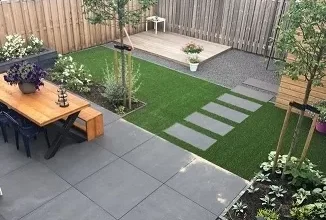
از سوی دیگر، روفگاردن معمولاً به فضایی اشاره دارد که علاوه بر پوشش گیاهی، برای تفریح، استراحت و حتی کشت محصولات طراحی شده و به نوعی یک فضای زندگی در ارتفاع محسوب میشود. این فضاها بسته به نیاز و امکانات، در انواع مختلفی اجرا میشوند.
ب)شرح کامل:(انواع روفگاردن کاربردمحور)
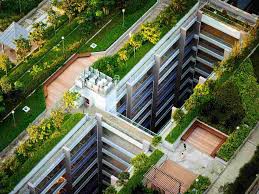
1.بامهای زنده: سفری به دنیای متنوع روفگاردنها و بام سبز
روفگاردن و بام سبز تنها یک ترند معماری نیستند. آن ها پاسخی هوشمندانه و زیبا به چالشهای زیستیمحیطی کلانشهرها و نیاز فزاینده انسان به طبیعت هستند. این فضاهای سبز عمودی، که امروزه از فراز برجهای مدرن تا خانههای ویلایی قدیمی خودنمایی میکنند، در انواع و اقسام مختلفی طراحی و اجرا میشوند.
هر یک از این انواع روفگاردن، با توجه به عمق خاک، نوع گیاهان، هزینه نگهداری و هدف از ایجاد، کاربرد منحصربهفردی دارند. در این مطلب، به طور کامل به معرفی و شرح انواع بام سبز خواهیم پرداخت، پروژههای شاخص داخلی و خارجی را مرور میکنیم و جنبههای فنی و کاربردی آن را بررسی میکنیم.
2.دستهبندی اصلی انواع بام سبز بر اساس نوع کاربرد و پوشش(انواع روفگاردن کاربردمحور)
برای درک بهتر تفاوتها، میتوان انواع روفگاردن را بر اساس چهار مفهوم کلیدی اکو (Eco)، زنده (Living)، سبز (Green) و گیاهی (Vegetated) دستهبندی و مقایسه کرد. هر کدام از این اصطلاحات بر جنبه خاصی از این سامانه تأکید دارند.
الف)بام سبز اکولوژیک (Eco Roof)
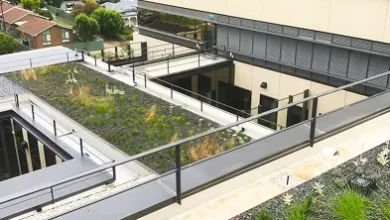
این اصطلاح بر جنبه محیط زیستی و پایداری اکولوژیک بام تأکید میکند. هدف اصلی در یک بام سبز اکولوژیک، بازگرداندن بخشی از طبیعت از دست رفته در توسعه شهری، ایجاد زیستگاه برای حشرات و پرندگان، بهبود کیفیت هوا و کاهش اثر جزیره گرمایی است.
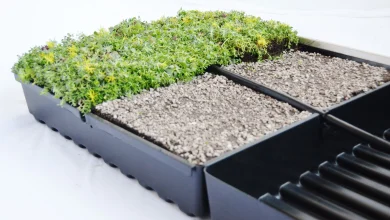
این نوع بام، معمولاً با پوشش گیاهی بومی و مقاوم (مانند سدوم و چمنهای چندساله) و با حداقل مداخله انسانی و نیاز به نگهداری اجرا میشود. بام سبز گسترده (Extensive) نمونه بارز یک Eco Roof است. مانند پروژههای گسترده بر روی سقفهای مراکز صنعتی یا تجاری بزرگ که هدف اصلی آنها مدیریت آب باران و صرفهجویی در انرژی است.
ب)بام زنده (Living Roof)
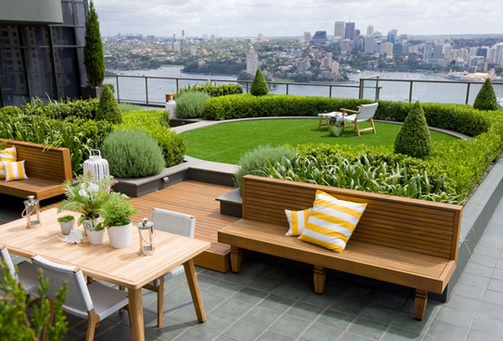
این مفهوم بر کاربری انسانی و فضای زندگی تمرکز دارد. بام زنده دقیقاً معادل همان روفگاردن (Roof Garden) است. در اینجا، بام به یک فضای قابل سکونت، تفریحی و اجتماعی تبدیل میشود. عمق خاک بیشتر است و امکان کاشت درختان بزرگتر، درختچهها، گلهای زینتی و حتی ایجاد فضای چمن برای استراحت فراهم میشود.
مبلمان فضای باز، آلاچیق، باربیکیو و گاهی حتی استخرهای کمعمق از اجزای آن هستند. نیاز به آبیاری، کوددهی و نگهداری منظم در این نوع بسیار بالاست. بام سبز فشرده (Intensive) در این دسته قرار میگیرد. مانند رستورانهای روی بام یا باغهای خصوصی مسکونی.
پ)بام سبز (Green Roof) به عنوان یک اصطلاح جامع
بام سبز خود به عنوان یک واژه چتر (Umbrella Term) عمل میکند و تمامی انواع دیگر (اکولوژیک، زنده، گیاهی) را در برمیگیرد. تأکید این واژه بر مزایای زیستمحیطی و اقتصادی کلی است.
عایق حرارتی و صوتی، افزایش طول عمر پوشش بام، کاهش هزینههای انرژی و زیباسازی منظر. این اصطلاح در ادبیات فنی، بازاریابی و قوانین شهری رایجتر است. هم یک بام اکولوژیک و هم یک بام زنده، هر دو زیرمجموعهای از Green Roof محسوب میشوند.
ت)بام گیاهی (Vegetated Roof)
این اصطلاح بیشتر فنی و توصیفی است و صرفاً بر وجود پوشش گیاهی به عنوان یک لایه از سیستم تأکید دارد. در مستندات مهندسی و مشخصات فنی، از این واژه برای توصیف لایه گیاهی استفاده میشود. یک بام گیاهی میتواند ساده (مانند یک لایه سدوم) یا پیچیده (مانند یک باغ با درختان) باشد.
این واژه کمتر به کاربرد نهایی (اکولوژیک یا تفریحی) اشاره دارد و بیشتر به “چگونگی” ساخت بام میپردازد. در واقع، تمام بامهای سبز، بام گیاهی هستند، اما عکس آن لزوماً صادق نیست (مثلاً دیوار سبز، بام گیاهی نیست).
3.بررسی اجزای تشکیلدهنده یک سیستم بام سبز
صرف نظر از نوع و نام، یک سیستم استاندارد بام سبز از لایههای زیر تشکیل شده است:
–سازه سقف و لایه عایق رطوبتی: اساس کار که باید تحمل بار و جلوگیری از نفوذ آب را داشته باشد.
–عایق محافظ ریشه: مانع از نفوذ ریشهها به عایق و سازه میشود.
–ورق زهکش: آب اضافی را جمعآوری و هدایت میکند.
–لایه فیلترخاک: مانع از شسته شدن خاک به درون لایه زهکش میشود.
-بستر کشت (خاک سبک): مخلوطی ویژه از خاک، کمپوست و مواد معدنی سبک.
-لایه پوشش گیاهی: متناسب با نوع بام انتخاب میشود (از سدوم تا درخت).
پ)نمونههای موفق اجرای انواع روفگاردن در جهان و ایران
1.پروژههای بینالمللی(انواع روفگاردن کاربردمحور)
-مرکز تجارت جهانی بارسلونا (Spain): یک بام زنده (Living Roof) عظیم با تپههای نمادین که نه تنها یک فضای عمومی خارقالعاده ایجاد کرده، بلکه به عنوان یک سیستم مدیریت آب باران و تنظیم دمای داخلی ساختمان عمل میکند.

-بام تالار شهرداری شیکاگو (USA): یک بام سبز اکولوژیک (Eco Roof) پیشرو که در دهه ۲۰۰۰ ایجاد شد و به کاهش اثر جزیره گرمایی شهر و صرفهجویی چشمگیر در انرژی کمک شایانی کرد.
-هتل پارک رویال سنگاپور: نمونه اعلای روفگاردن لوکس و بام زنده با آبشارهای عمودی و جنگلهای انبوه که در ارتفاع، اکوسیستم کاملی ایجاد کرده است.
2.پروژههای داخلی در ایران
-مجموعه برجهای میلاد تهران (پشت بام مرکز همایشها): یک بام سبز فشرده (Intensive) وسیع که به عنوان فضای سبز تفریحی و خدماتی برای مجموعه عمل میکند.
-بام سبز خانه هنرمندان ایران (تهران): یک بام زنده با کاربری فرهنگی-تفریحی که میزبان رویدادهای هنری و اجتماعی است.
-بام سبز بیمارستان فوقتخصصی محب کوثر (اصفهان): این پروژه با هدف بهبود روحیه بیماران و کاهش استرس، یک بام سبز با پوشش گیاهی آرامشبخش ایجاد کرده است.
-احداث بامهای سبز گسترده (Extensive) بر روی پشت بام برخی از ایستگاههای متروی تهران: با هدف کاهش مصرف انرژی و مدیریت زیستمحیطی.
ت)جدول مقایسه انواع روفگاردن کاربردمحور
| معیار مقایسه | بام سبز اکولوژیک (Eco Roof) | بام زنده (Living Roof) | بام سبز (Green Roof) [چتر کلی] | بام گیاهی (Vegetated Roof) [اصطلاح فنی] |
|---|---|---|---|---|
| تأکید اصلی | پایداری محیط زیست و اکوسیستم | کاربری انسانی و زندگی space | مزایای کلی محیط زیستی و اقتصادی | وجود فیزیکی و لایهای پوشش گیاهی |
| نوع پوشش گیاهی | گیاهان مقاوم و خودرو (سدوم، چمن) | متنوع (از گل تا درخت) | وابسته به نوع خاص | وابسته به نوع خاص |
| عمق محیط کشت | کم (۵-۱۵ سانتیمتر) | زیاد (۲۰+ سانتیمتر) | از کم تا زیاد | از کم تا زیاد |
| نیاز به نگهداری | بسیار کم | زیاد | از کم تا زیاد | از کم تا زیاد |
| هزینه اجرا | پایین تا متوسط | بالا | از پایین تا بالا | از پایین تا بالا |
| بار سازهای | سبک | سنگین | از سبک تا سنگین | از سبک تا سنگین |
| کاربرد اصلی | مدیریت آب، عایق، زیستگاه | تفریح، اجتماع، کشت | اهداف چندگانه | توصیف جزء گیاهی سیستم |
| نمونه فنی دیگر | Extensive Green Roof | Intensive Green Roof / Roof Garden | نرمافزار | لایه پوششی در دتایل اجرایی |
-جمعبندی و انتخاب مناسبترین نوع روفگاردن(انواع روفگاردن کاربردمحور)
انتخاب نوع بام سبز به اهداف شما بستگی دارد. اگر به دنبال منافع اکولوژیک با کمترین هزینه نگهداری هستید، بام سبز گسترده (Eco Roof) گزینه مناسبی است.
اگر قصد دارید از فضای بام به عنوان امتداد فضای زندگی خود استفاده کنید و بودجه و زمان کافی برای نگهداری دارید، بام سبز فشرده (Living Roof) پاسخگوی نیاز شماست. بام سبز نیمهفشرده نیز ترکیبی از هر دو است. مشاوره با معماران منظر و مهندسین سازه مجرب در این زمینه ضروری است.